
Your shoulders have been living up around your ears for three weeks, and you know your body needs something.
So you open the booking page, and that's where you stall. Massage therapy or float therapy? Both promise relief, both take about an hour, and both cost roughly the same. Nobody explains how to actually choose.
The choice is simpler than it looks; it comes down to one question, and by the end of this post you'll know exactly which session to book.
The Short Answer
Book massage therapy when the problem has a location. A specific knot, a stiff neck, a hip that's been complaining since you started running again, a shoulder that clicks. Something a massage therapist can find with their hands and work on directly.
Book float therapy when the problem doesn't have a location. You're wired, foggy, overstimulated, can't shut your brain off, or carrying tension everywhere and nowhere in particular. Something that lives in your nervous system more than in one muscle.
That's the 80% answer. But the nuance matters, so let's go deeper.
What Massage Therapy Actually Does
Registered massage therapy is hands-on and targeted. An RMT assesses what's happening in your soft tissue and works directly on it: releasing tight fascia, easing muscle spasm, improving local circulation, and helping restore range of motion.
The value here is precision. If you have a rotator cuff that's been guarding for a month, no amount of lying still will address that as directly as someone who knows anatomy putting pressure on the right spot.
Massage therapy tends to be the better call when:
You can point to where it hurts
You've had a recent injury, strain, or overuse flare-up
Your range of motion is limited; turning your head or reaching overhead feels restricted
You want treatment notes and a plan, not just an hour of calm
You have extended health benefits (RMT is often covered; float typically isn't)
That last point is practical and worth saying out loud. If you have coverage, massage therapy is frequently the more accessible starting place.
What Float Therapy Actually Does
Float therapy works differently. You're in about ten inches of water saturated with roughly a thousand pounds of Epsom salt, warmed to skin temperature. Light and sound are optional. Gravity effectively stops being a factor.
What that does is remove input. Your nervous system spends all day processing gravity, temperature, light, noise, and the constant low hum of your phone. Take most of that away for an hour, and the system gets a rare chance to downshift.
People come out of floats describing things massage doesn't usually produce: a problem they'd been stuck on for weeks suddenly resolving, an emotional knot loosening, a genuine sense of quiet that lasts into the next day. Many people also find the magnesium-rich water and the absence of load helpful for widespread aches and general soreness.
Float therapy tends to be the better call when:
The tension is everywhere, not somewhere
You're mentally saturated; too many tabs open, decision fatigue, low-grade dread
Sleep has been poor
You're managing chronic or widespread discomfort where direct pressure feels like too much
You need to think clearly about something and can't find the space to do it
The Overlap Nobody Mentions
Both services reduce stress. Both help you sleep better. Both can ease pain. So if you're choosing between them for general "I feel run down" reasons, you won't make a wrong choice.
The real difference is the direction of the work. Massage therapy works from the outside in; someone else applies input to change how your body feels. Float therapy works from the inside out; input is removed so your system can regulate itself.
That distinction is why the two pair so well.
Which brings us to the option most people don't consider.
Why You Might Want Both
A lot of our Peterborough regulars stopped choosing and started booking both.
Float first, then massage. The float softens tissue and drops your baseline tension before you get on the table. Your RMT can go deeper with less resistance, and you're less likely to guard against the pressure.
Massage first, then float. The massage does the targeted release; the float gives your nervous system an undistracted hour to settle into the change. Some people find this reduces next-day soreness.
Either order works. If you're new to both, try massage first, then float. That sequence tends to feel more intuitive the first time through.
How to Decide Right Now
Ask yourself one question: can you point to the problem?
If your finger goes straight to a spot, book massage therapy.
If your hand makes a vague circle around your whole upper body, or taps the side of your head, book a float.
If you're honestly not sure, start with the float. It's a lower-commitment way to figure out what's actually going on, and a lot of people discover the back pain they were chasing was mostly stress they hadn't put down in month
Common Questions About Massage and Float Therapy
Is float therapy or massage therapy better for back pain?
It depends on the cause. For a specific strain, disc-related pain, or a muscle that's locked up, massage therapy is usually the more direct route. For diffuse, chronic, or stress-driven back pain, many people find float therapy helpful because it removes load from the spine entirely for the duration of the session.
How long is each session at Flow Spa?
Float sessions typically run 60 to 90 minutes. Massage therapy sessions are usually 30, 45, 60, or 90 minutes. Current options and timing are on our pricing page.
Can I do both on the same day?
Yes, and plenty of people do. Book them back to back and give yourself a buffer afterward; the combination tends to leave you pleasantly useless for a couple of hours.
I'm claustrophobic. Is float therapy off the table?
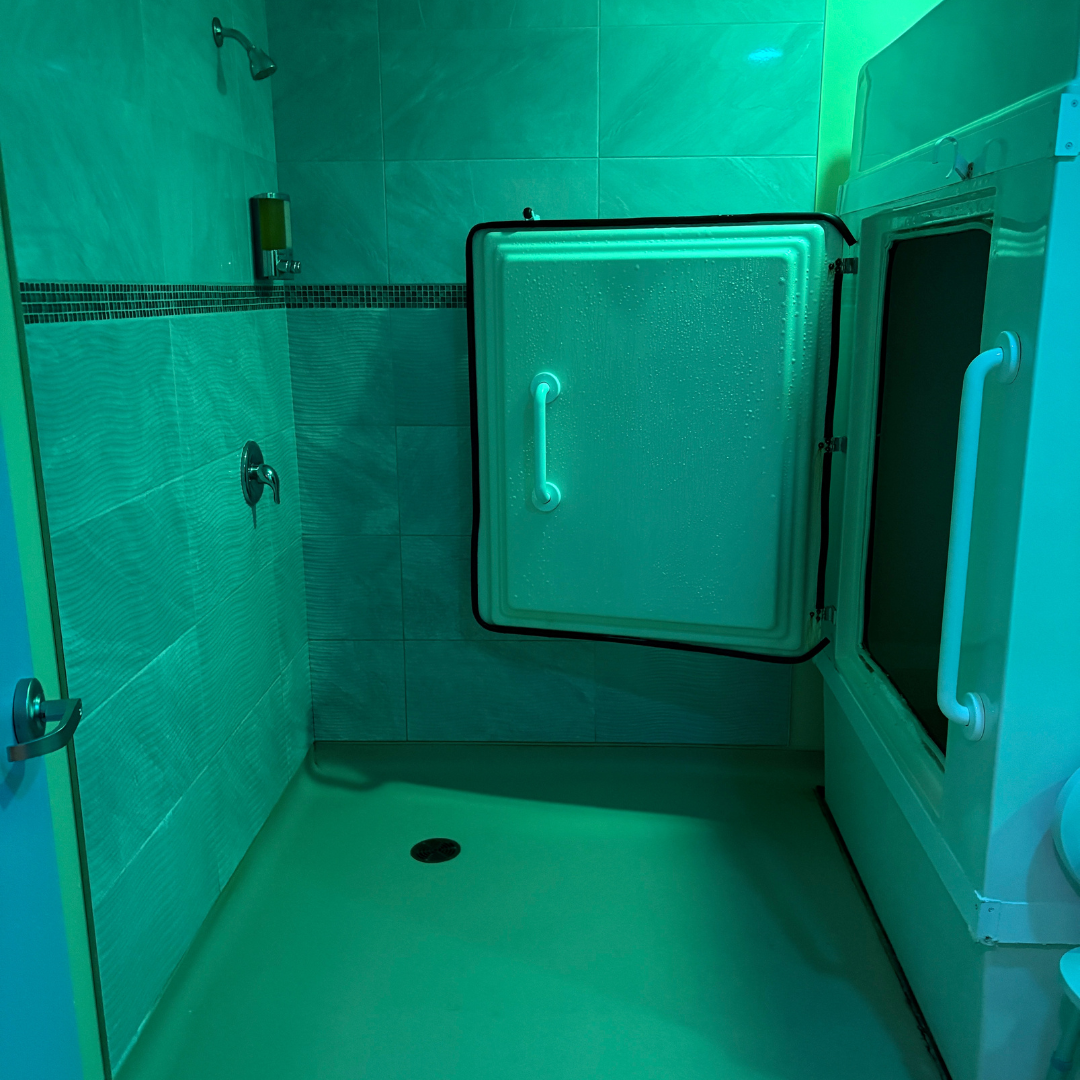
We get this question a lot from new clients and it’s usually not as much of an issue as you’re probably imagining. Our float rooms are open and roomy rather than enclosed pods, and you control the light and the door the entire time. You can float with the light on, the door open, and get out whenever you want. Most people who worry about this are fine within the first ten minutes. If you’re unsure, you’re welcome to pop by Flow Spa and take a look at the float rooms, or watch the intro video to see for yourself.
Which one is covered by insurance?
Registered massage therapy is covered by most Ontario extended health plans. Float therapy generally is not, but you might get reimbursed if you have a health spending account. Worth checking your plan before you book if budget is a factor.
How often should I go?
For an active problem, weekly or biweekly massage therapy is common until things settle. For float therapy, most regulars land somewhere between every two weeks and once a month. There's no required cadence; go when your body tells you to.
Ready to Find Out Which One You Need?
You don't have to commit to a whole wellness protocol. Pick the one that matches where you are today, and notice how you feel afterward. That's usually all the information you need.
Book your next reset at Flow Spa in Peterborough, and if you're still on the fence, tell us what's going on when you arrive. We'll help you sort it out.