
Almost everyone who books their first float has one question they feel a little weird asking.
Can I float on my period?
What about the tattoo I got last week?
Do I take my contacts out?
Here's the good news: we've heard every one of these, many times, and no question is too weird to ask. This guide covers the practical questions we get most often at Flow Spa in Peterborough, Ontario, so you can walk in for your float knowing exactly what to expect.
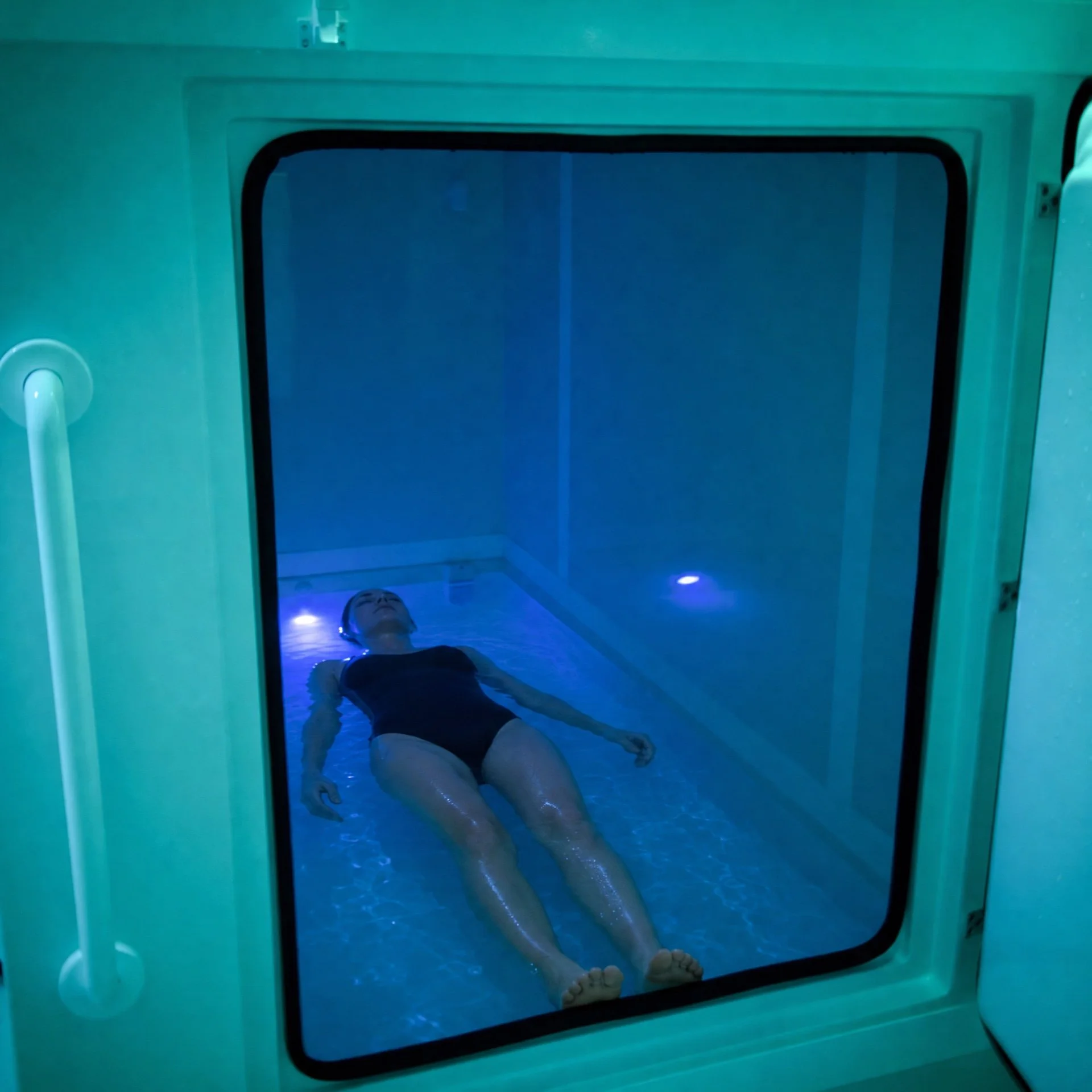
If your question isn’t here, just ask us. We're happy to help!
Can You Float on Your Period?
Yes. Floating on your period is completely fine. A couple of things to keep in mind:
Use a tampon or menstrual cup, the same way you would for swimming
Bring a spare so you can change after your post-float shower
Expect comfort: many people find the warm water and full buoyancy ease the lower back and pelvic tension that can come with their cycle
The water is filtered between every session, so there's no need to worry about anyone before or after you. And if you'd simply rather not float that week, that's okay too. Rescheduling is always an option.
Tattoos, Piercings, and Fresh Skin
Float tanks hold a very high concentration of Epsom salt. That's what keeps you effortlessly floating, and it's also why anything open or healing on your skin will be immediately noticeable.
New tattoos
Wait until your tattoo is fully healed before you float: no scabbing, peeling, or tender skin. For many people, that's around two to four weeks, but your tattoo artist's aftercare advice comes first. Floating too early can sting, and salty water may irritate skin that's still healing.
Healed tattoos
No issues at all. Float away.
Piercings
The same rule applies. Fresh piercings should be healed first. Healed piercings are fine; you're welcome to remove jewellery before your float if that's more comfortable.
Shaving, waxing, and small cuts
Skip shaving or waxing for about a day before your float. Freshly shaved skin and salt are not friends.
Cover small cuts or scrapes with the petroleum jelly supplied in your float room. It creates a barrier so the salt doesn't sting.
Contact Lenses, Glasses, and Your Eyes
Take your contact lenses out before you float. Salt water in your eyes stings, and you don't want it trapped behind a lens.
Bring your lens case and solution
Glasses can stay in the room while you float
Remove makeup, especially around the eyes, in your pre-float shower
If you do get a drop of salt water in your eye, don't panic. Keep the fresh water spray bottle and a hand towel within reach so you can rinse and blot. It passes quickly, and most people only make that mistake once.
Hair Dye, Makeup, and Hair Care
Recently coloured hair
Fresh hair dye can bleed into the float water, which affects the water for everyone. If you've coloured your hair recently, wait until your hair rinses clear in the shower with no colour running out. For bright or semi-permanent shades (think blues, pinks, and reds), that can take a few weeks and several washes.
If you're not sure, rinse a section of hair under warm water and press it with a white towel. If colour comes off, give it a little more time.
Hair care
Shower before your float to rinse away oils and products
Wash and condition after; salt rinses out easily, and conditioner helps your hair feel soft again
Earplugs in your room help keep salt water out of your ears
Floating While Pregnant
Many people find floating during pregnancy to be a genuine relief. The water supports your full body weight, which can take pressure off the back, hips, and feet in a way nothing else quite does.
A few things to keep in mind:
Check with your doctor or midwife first. They know your pregnancy, and their guidance comes before ours.
Consider waiting until after the first trimester. Many float centres suggest this as a general precaution.
Take your time getting in and out. Move slowly, use the handrail, and stand up gradually after your float.
Listen to your body. If you need to adjust position or end early, that's completely fine.
Some people find a small pillow or float support for the neck makes the experience even more comfortable. We keep extra pool noodles around for this reason.
Rapid Fire - More FAQs
I can't swim. Can I still float?
Absolutely. The water is only about 10 inches deep, and the salt keeps you floating on the surface without any effort. You don't need to swim at all.
What if I'm claustrophobic?
You're always in control. You can keep the light on, leave the lid or door open, and get out whenever you like. Many people who were nervous about this end up closing the door partway through once they feel settled. Feel free to come by and take a look at the float tank before booking to see for yourself. Sometimes seeing how big the space is helps to ease your mind.
What should I do before my first float?
Eat a light meal an hour or two before, skip the extra coffee, and avoid shaving that day. Arrive a few minutes early so you're not rushing. You can learn more on our About Floating page.
What do I wear in the float tank?
Most people float nude, since you're in a private room with your own shower. A swimsuit is fine too if you'd prefer; just know that seams and straps can be a little distracting once you're settled.
Is there anyone who shouldn't float?
If you have a contagious skin condition, open wounds, uncontrolled epilepsy, or you're under the influence of alcohol or drugs, please hold off. If you have any health condition you're unsure about, check with your doctor before booking.
How much does a float cost at Flow Spa?
You can find current float pricing, packages, and memberships on our pricing page.
The awkward questions are usually the only thing standing between someone and their first float. Once they're answered, all that's left is the good part: quiet, weightless rest that many people find leaves them clearer, calmer, and more at home in their own body.
If you've been curious about float therapy in Peterborough, we'd love to have you. Book your first float with us, and if a question comes up that we didn't cover here, just ask. We've probably heard it before.